Some people like to have room under a faucet to fill buckets or whatever else.
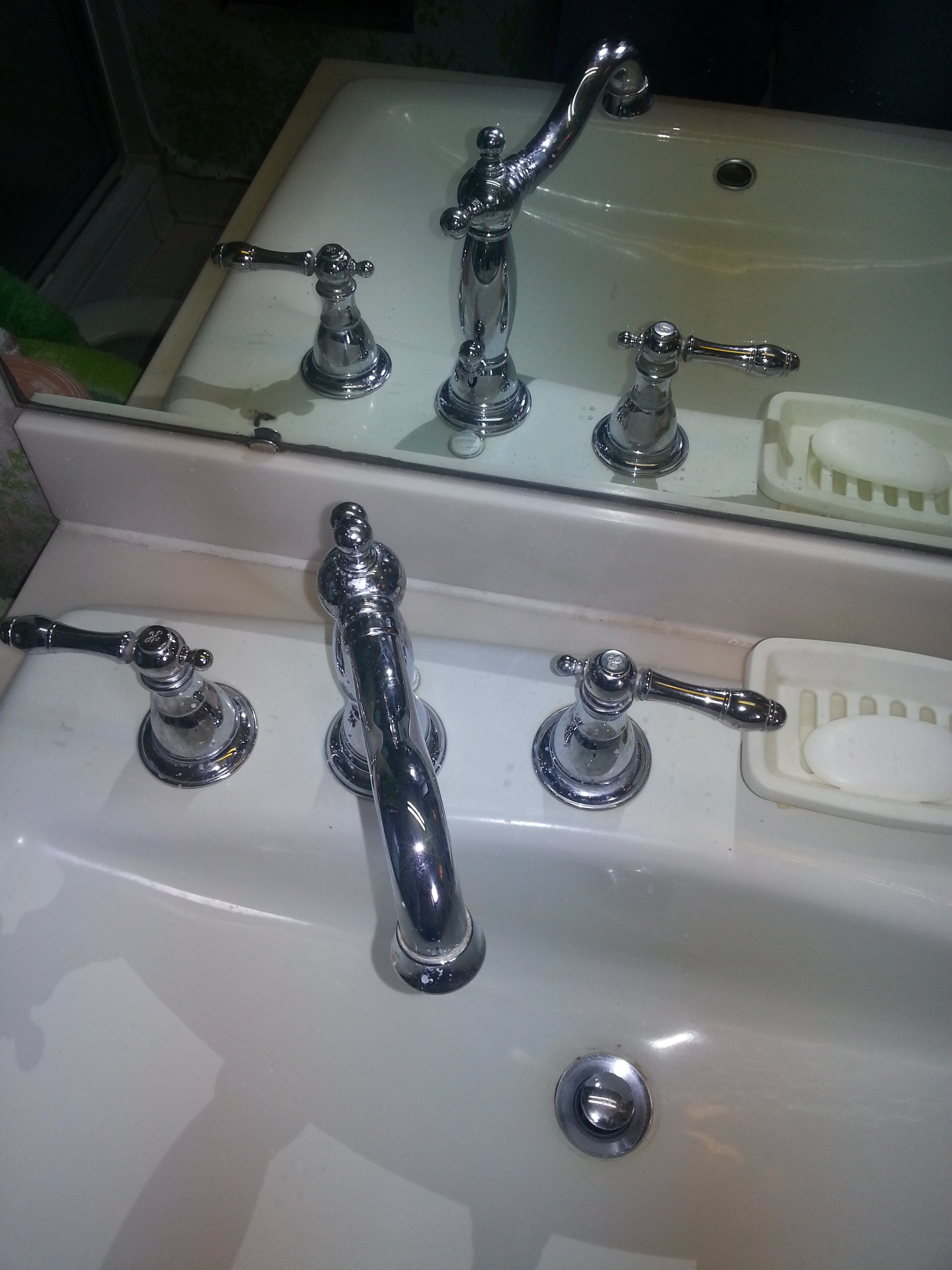
Bathroom sink faucet
It’s always good to have room and not be in tight spaces.

Some people like to have room under a faucet to fill buckets or whatever else.
Bathroom sink faucet
It’s always good to have room and not be in tight spaces.
Posted by Plumbing & Drains on April 13, 2016
https://hiawathasewer.com/2016/04/13/golden-valley-mn-55427-plumber-mn-plumbing-companies-mn-drain-cleaning-services-mn-local-plumber/
What the average homeowner doesn’t realize is that keeping up on drain cleaning is very important just like anything else in the home. When experiencing a clogged or slow drain never put down any home-made or store bought chemicals down your drains. Cleaning out your main line annually will keep the line in tact for many years to come. Cleaning other drains in your home will keep the lines wide open and they won’t close up on you. If you let hard crust build up on any pipes you will be replacing that pipe and will cost you more money then just having them cleaned annually.
Call Hiawatha Sewer today to have your lines cleaned and inspected by one of are technicians.
Friend Us On Facebook!
Posted by Plumbing & Drains on October 8, 2012
https://hiawathasewer.com/2012/10/08/are-you-keeping-up-on-drain-cleaning/
Don’t be so quick to pour any store bought or home made chemicals down your pipes. Only pour chemicals down if your ready for the end results. Future problems will occur from putting chemicals down your drains. Unclogging a drain made be hard to chemicals is not the answer. Being in the drain and sewer cleaning business for over forty years we know the proper why to clean and unclog any drain. We know pouring chemicals down your plumbing system isn’t the right way and will inevitably create a larger more serious issue. Call Hiawatha Sewer today before you make an easy job a nightmare.
10% for all customers that mention this article!
Friend Us On Facebook!
Posted by Plumbing & Drains on July 19, 2012
https://hiawathasewer.com/2012/07/19/think-before-you-pour/
Posted by Plumbing & Drains on April 29, 2012
https://hiawathasewer.com/2012/04/29/building-from-ground-up/


 Drain Cleaning Companies Minneapolis Minnesota | St. Paul MN Clogged Plumbing | Emergency Clogged Plumbing & Drain Cleaning Companies | Hiawatha Sewer Service
You must be logged in to post a comment.